
By Eileen Reavey
Every February, Presidents’ Day invites us to reflect on leadership and how the presidency relates to our democratic ideals of the consent of the governed. America uses a unique method to select our President, what is now referred to as the Electoral College. This system was a compromise which left the decision of how states chose their electors up to the state legislatures. Today many Americans feel the way we elect the president is antiquated, unrepresentative, and out of step with the democratic ideals of the 21st century.
Let’s use President’s Day as an opportunity to ask: Do we have the best method for choosing the president that represents the will of the people?
American voters are frustrated with the current electoral system. According to Pew Research, 63% of American adults support electing the President by national popular vote. Most states (except for Maine and Nebraska) award all of their electoral votes to the candidate that won the most votes in their state.
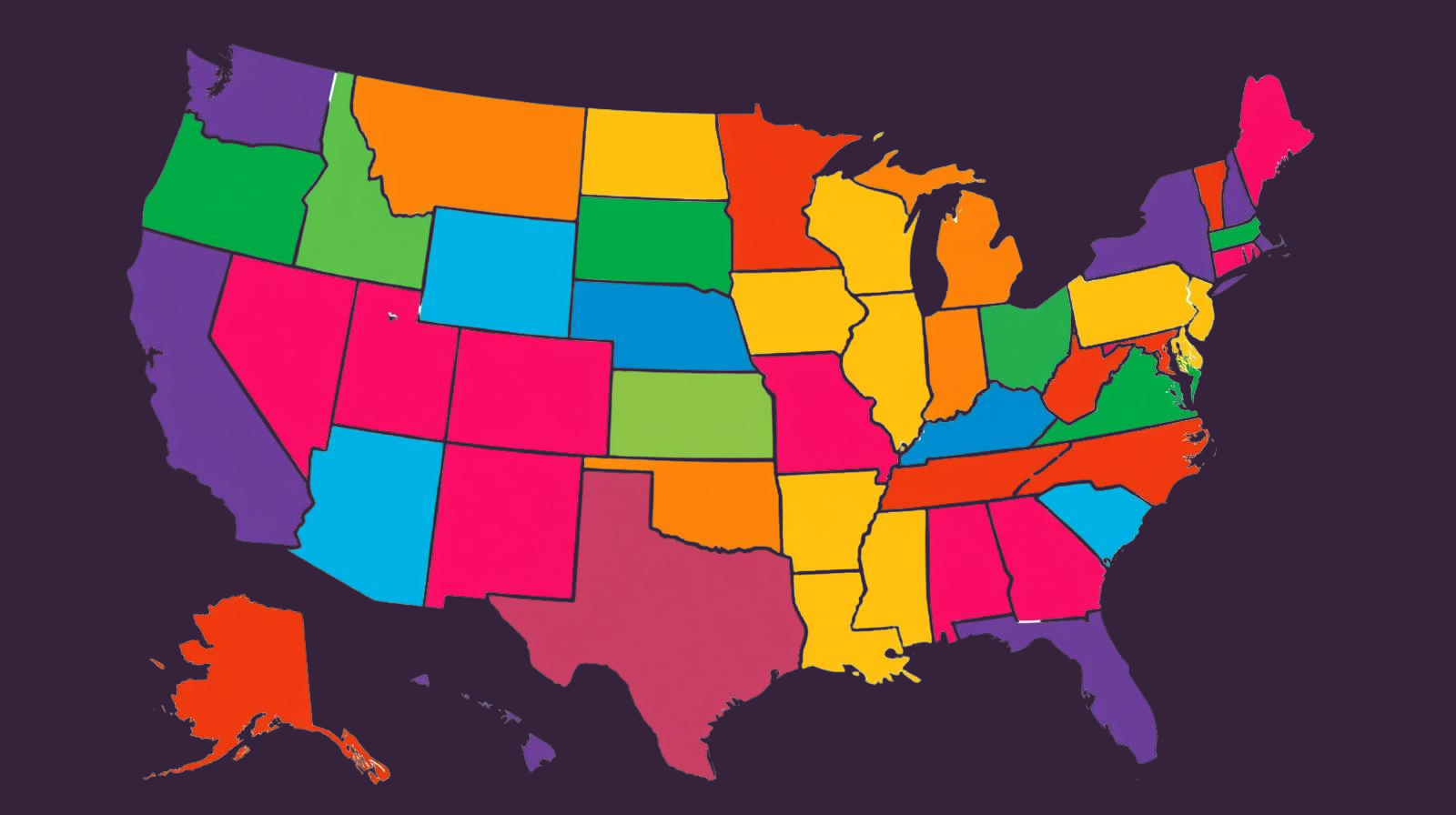
As a result, we already know how most states will vote in the 2028 presidential election. The entire campaign will be run in just a handful of battleground states, where who will win the most votes on election day is actually a question.
It’s winner takes all with representation for few.
There have been five instances in American history in which the winner of the popular vote did not win the presidential election. This has happened twice since the year 2000 and nearly occurred in 2004 and 2020. The current electoral system muddles the will of the American people, which is more clearly expressed by the popular vote.
America can use the electoral college to elect the president by popular vote, thanks to the National Popular Vote Interstate Compact (no U.S. constitutional amendment required). The compact creates an agreement among states to award their electoral votes to the candidate who wins the national popular vote. The Compact would go into effect once there are enough states totaling 270 electoral votes in the agreement. Currently, 16 states and D.C., with 209 electoral votes, have signed on. There are 61 additional electoral votes required for the bill to take effect.
Presidents’ Day reminds us that the presidency is not just about the individuals who occupy the Oval Office. Washington warned against factionalism and emphasized national cohesion. Lincoln spoke of a government “of the people, by the people, for the people.” These phrases endure not simply because they describe institutions, but because they express aspirations.
Be inspired to continue the conversation and honor the democratic principles that reflect the will of the people. Efforts to reform our electoral processes are essential to creating a 21st century democracy that works for all of us. To find out more about the movement to elect the president by popular vote visit NationalPopularVote.com.